CORALRESCUE: Reducing Coral Bycatch and Restoring Marine Habitats
Reducing coral bycatch in small-scale fisheries while developing practical methods to return corals safely to the seabed and restore damaged marine habitats.
Become a PatronThe Challenge
Coral habitats along the Portuguese coast are biodiversity hotspots, supporting marine life and contributing to the health of ocean ecosystems. This project focuses on reducing coral bycatch in small-scale fisheries while developing practical methods to return corals safely to the seabed and restore damaged habitats. Led by CCMAR, CORALRESCUE combines scientific innovation, field testing, and direct engagement with fishing communities to create scalable solutions for coral conservation in Portugal.
Keystone Species
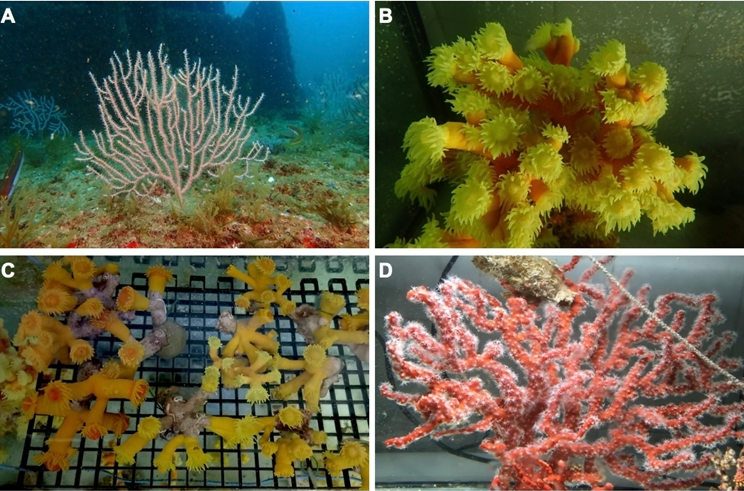
Eunicella verrucosa, Dendrophyllia ramea, Dendrophyllia cornigera
What We’re Doing
The project combines bycatch prevention, active restoration, and fisher engagement. It focuses on expanding the use of modified fishing gear shown to reduce coral bycatch, developing a low-cost Coral Clip Weight (CCW) system to return corals caught accidentally immediately to the seabed in the correct position, testing and monitoring coral survival and habitat recovery, training fishers and strengthening collaboration between science and the fishing sector, and producing practical tools and open-access protocols for wider application.
Why It Matters
Many coral species affected by fishing cannot naturally reattach once detached from the seabed. Without intervention, these corals are often lost, weakening habitats that support marine biodiversity. This project addresses that challenge with a practical and scalable solution — one that links science, restoration, and the direct involvement of fishers.
The Team
- Partner Organisation: CCMAR
- Project Lead: Dr. Márcio Coelho, BEE (Biogeographical Ecology and Evolution team)
- Viridia Associates: Carla Pinto Cruz, Nicole Azevedo, Ester Serrão, Clara Bernabé
Support This Work
Help protect Portugal's marine biodiversity and restore the habitats that sustain it.
Become a Patron